EN
EN
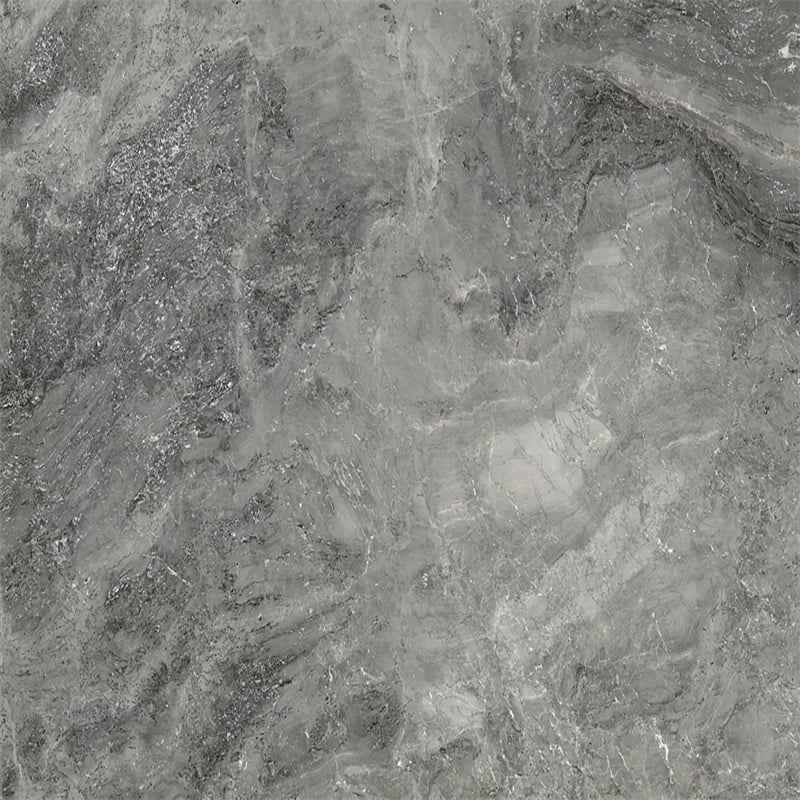
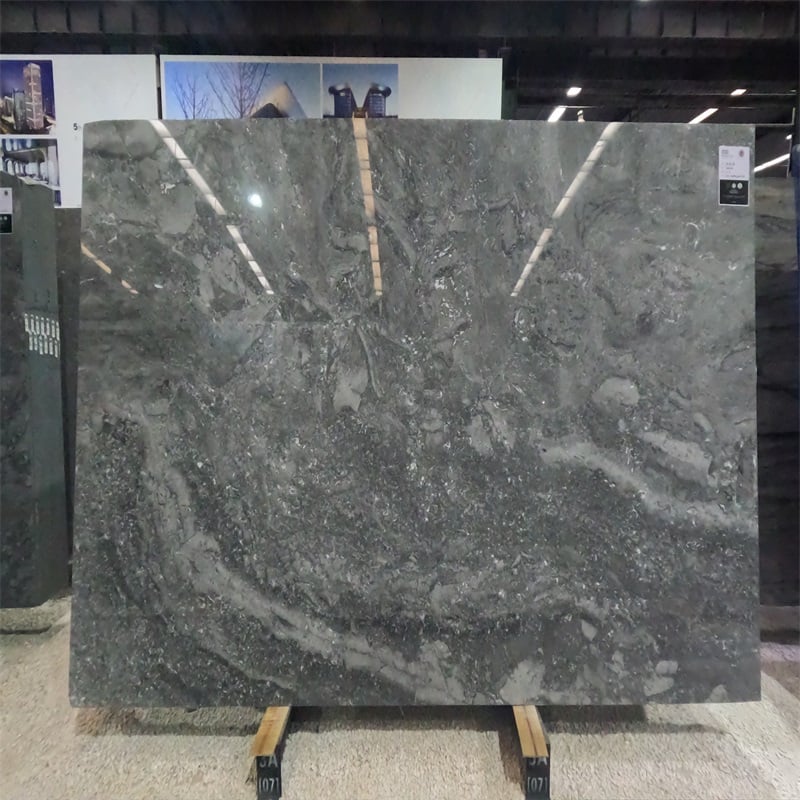
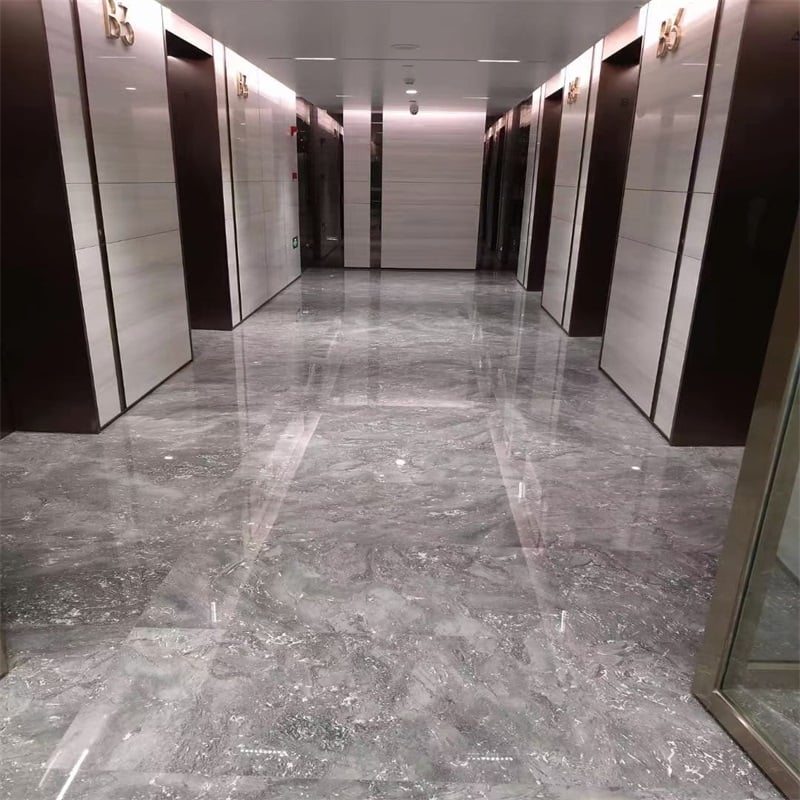
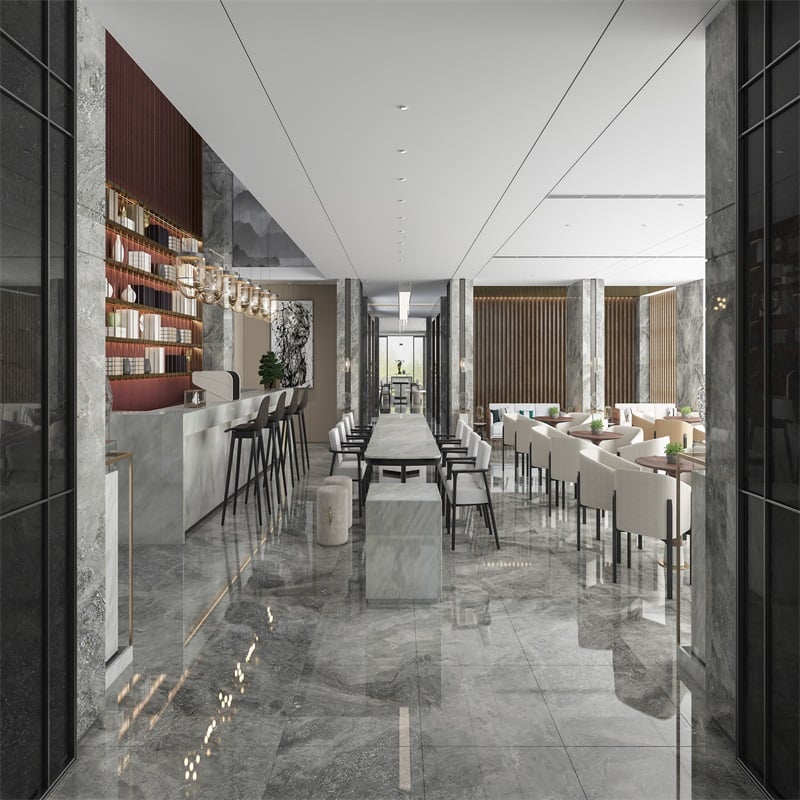
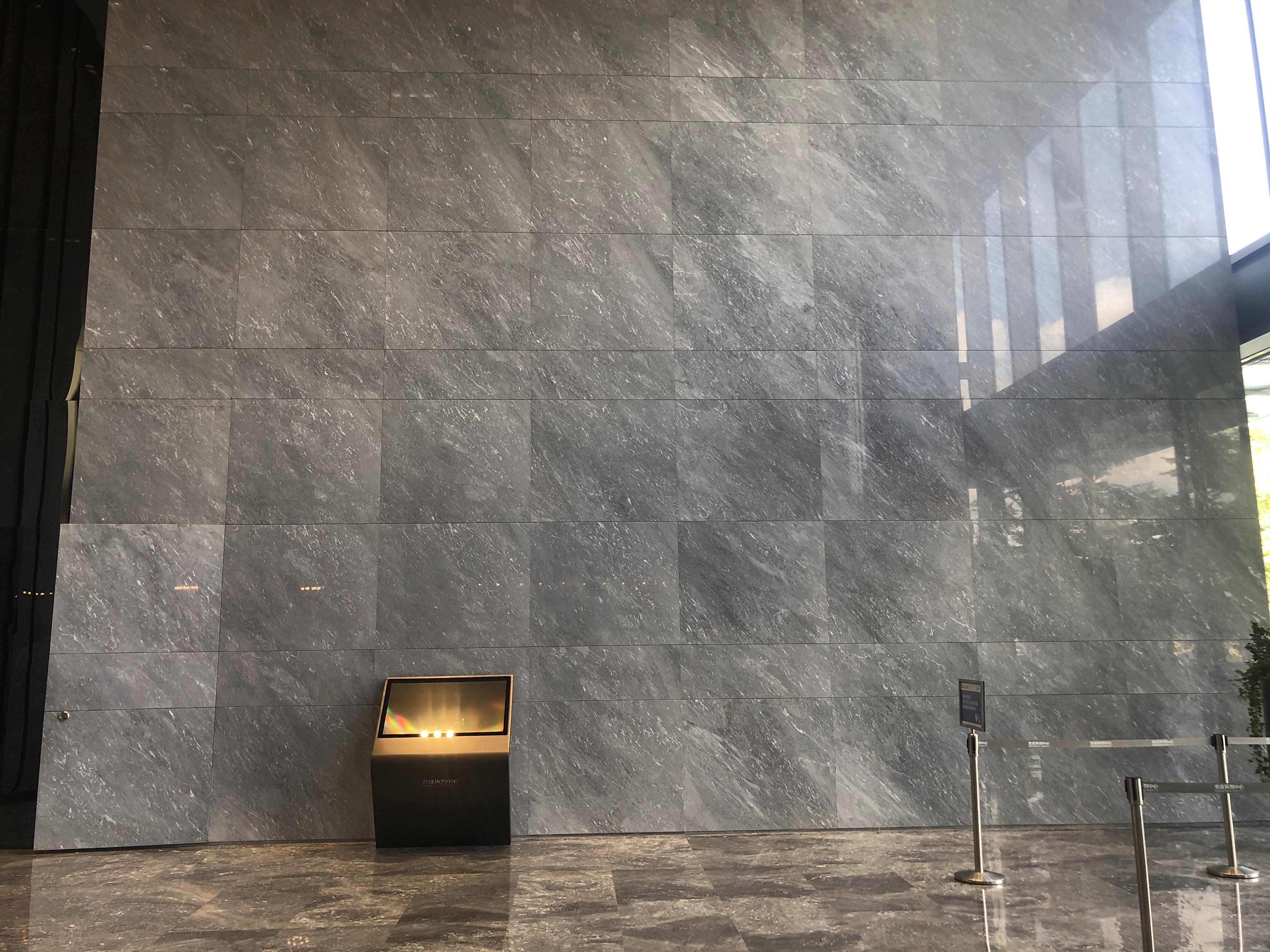
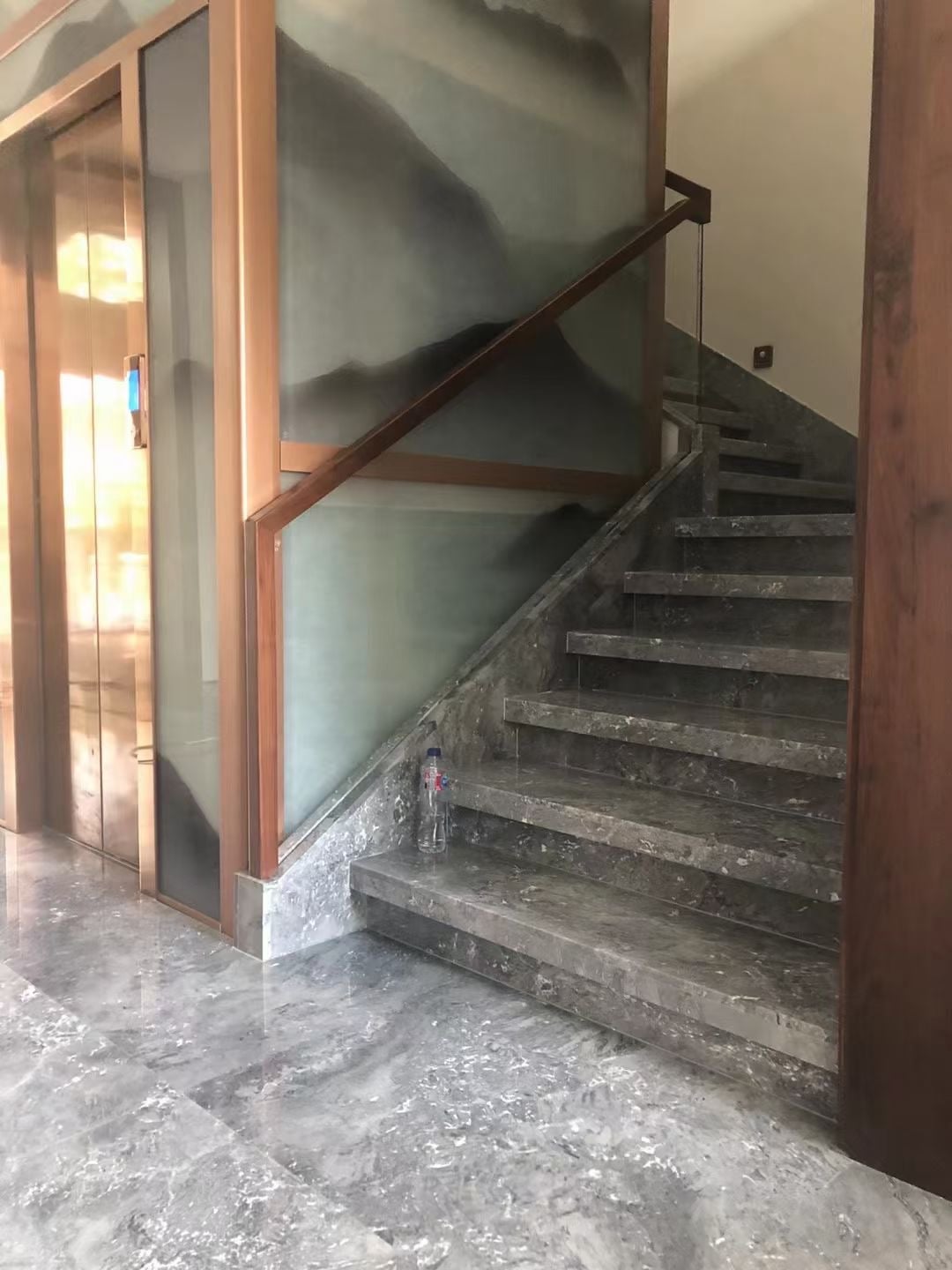
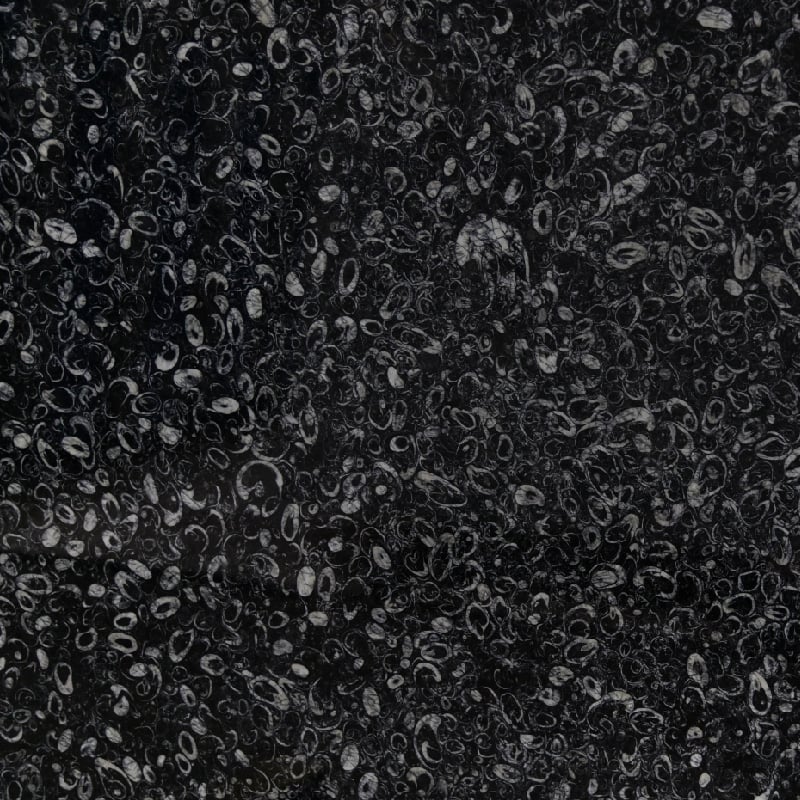
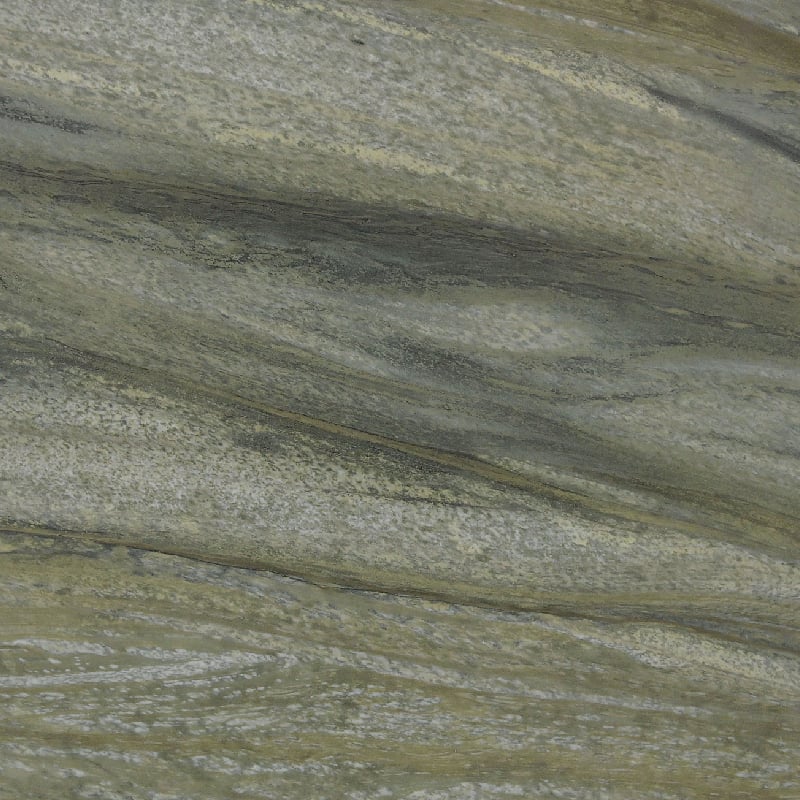
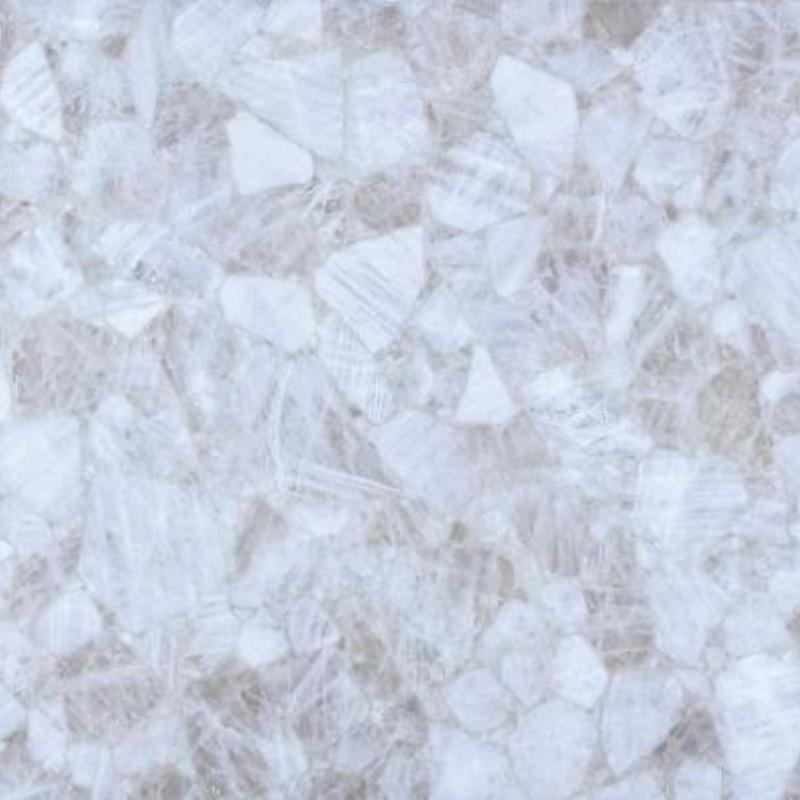
Interstellar Grey Grey Natural Stone Marble with Irregular Mottled Texture & Silvery-Grey Speckles
Floor decoration, wall decoration, space partition, furniture making
- Overview
- Recommended Products
Description:
Interstellar Gray is inspired by the stars in the universe, integrating the depth and tranquility of distant galaxies into every inch of the rock surface, showing the unique charm of modern retro and elegance in a low-key and restrained way. It is not a simple gray, but a combination of the depth of the night sky, the splendor of the nebula and the brilliance of the Milky Way, forming a unique and subtle tone.
Finish options: Polished, Honed, Leathered, ect.
Key words: Grey marble,marble tiles,Kitchen countertops, bathroom vanity top, wall cladding, flooring.
Specifications:
| Place of Origin: | Turkey |
| Thickness: | Available in 1.8cm,2cm, 3cm, and custom thicknesses |
| Material Type: | Natural Marble |
| Slab Sizes: | Customized, every size and design is available |
| Packaging: | Strong seaworthy fumigated export wooden bundles |
| Lead time | 7 to 10 days one container after deposit is received |
| Payment terms | T/T, L/C, D/P |
| Port of loading | Xiamen, China |
Applications:
Kitchen countertops and islands
Bathroom vanity tops and shower walls
Flooring for living areas, lobbies, and hotels
Commercial spaces seeking a luxurious yet durable surface
Advantages:
Elegant Cosmic Design – Unique gray tones with star-like veining, inspired by interstellar beauty.
Versatile & Timeless – Complements modern, luxury, and minimalist styles.
Premium Durability – High hardness and polish retention for long-term use.
Exclusivity – Rare natural patterns, ensuring distinctive spaces.
Global Appeal – Ideal for countertops, flooring, and feature walls in high-end projects.
FAQ:
1. What is the difference between marble and granite?
Answer: Marble is a metamorphic rock with elegant veining but is softer and more porous, making it prone to staining and etching. Granite is an igneous rock, harder and more resistant to scratches, heat, and acids, making it ideal for high-traffic areas like kitchen countertops.
2. How do I clean and maintain natural stone surfaces?
Answer: Use pH-neutral stone cleaners (avoid vinegar or bleach). Wipe spills immediately, especially acidic liquids (wine, citrus). Seal porous stones (marble, limestone) every 1–2 years to prevent stains.
3. Can natural stone be used outdoors?
Answer: Yes, but some stones perform better than others. Granite and slate are highly durable for outdoor use (patios, pavers). Marble and limestone may weather or discolor over time due to rain and UV exposure.
4. Why does my marble countertop have etch marks?
Answer: Etching (dull spots) occurs when acidic substances (lemon juice, cleaners) react with marble’s calcium carbonate. Prevent by sealing and using coasters. Light etching can be polished out professionally.
5. Is natural stone expensive compared to engineered stone?
Answer: It depends. High-end marble/granite can be costly, while mid-range options may compete with premium quartz. However, natural stone adds unique aesthetic value and increases property resale appeal.